KHTS Radio Santa Clarita Radio – Santa Clarita News

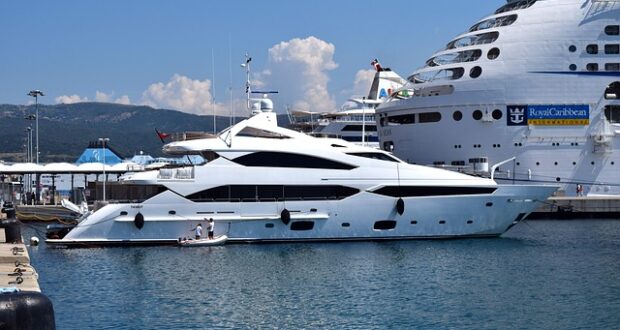
Dawn breaks over Praslin’s turquoise waters. The granite peaks catch first light while yachts rock gently at their moorings. Most travelers board the ferry for a quick crossing to La Digue, missing what locals know as the archipelago’s most stunning maritime journey.
This route between Praslin and La Digue offers more than transportation. A boat charter in Seychelles transforms a thirty-minute ferry ride into hours of discovery through crystal waters, past uninhabited islands, and into snorkeling sites that rival anywhere on Earth. The journey becomes the destination.
Private yacht charters navigate waters where granite boulders rise from depths measuring fifteen meters. Sea turtles surface for air. Tropical fish schools shift like living rainbows beneath the hull. The seven nautical miles separating these islands contain enough natural beauty to fill memory cards and imaginations for years after.
Why the Private Yacht Makes Sense
Ferry services run on fixed schedules. Cat Cocos and Cat Roses depart several times daily, cramming passengers into cabins where air conditioning fights losing battles against tropical heat. The crossing takes about thirty minutes. Passengers see water through salt-stained windows.
Chartering a private vessel rewrites this experience entirely. Departure times flex around personal schedules rather than rigid timetables. The route bends toward hidden coves and snorkeling sites that ferries barrel past without slowing. A family can spend an hour exploring Sister Islands while the commercial traffic churns elsewhere.
Weather becomes manageable rather than prohibitive. Captains adjust routes when afternoon winds kick up, finding sheltered passages that keep seas calm. Groups customize their journey, adding fishing stops or beach landings that ferries never consider. Privacy means children can move freely, couples can relax without crowds, and photographers can work without elbowing for position at railings.
Understanding the Route
The distance stretches roughly seven nautical miles from Praslin’s northeastern shores to La Digue’s western anchorages. Direct crossings take forty-five minutes at cruising speed. But extending the journey to three or four hours unlocks the real magic.
Departures from Côte d’Or provide the smoothest starts, though Baie Ste Anne offers protection for rougher days. The channel between the islands is relatively shallow, with currents that shift with tides and monsoons. Southeast winds from May through September create ideal conditions. Seas flatten, visibility improves, and anchorages stay calm enough for easy swimming.
The geography itself deserves attention. Praslin rises steeply from the ocean, its mountains covered in jungle that reaches down to white sand beaches. La Digue sits lower and flatter, offering a visual narrative as mountainous terrain gives way to palm-fringed shores. Between them lie smaller islands that most visitors only glimpse from airplane windows.
What the Eyes Find
Leaving Praslin behind means watching the UNESCO-protected Vallée de Mai recede into green ridgelines. The granite coastline fractures into coves and promontories that shine white against blue water. Sister Islands appear first, a pair of granite formations that look almost artificial in their sculptural precision.
Félicité Island dominates the middle passage. Massive boulders stack impossibly on its shores, some balanced at angles that seem to defy physics. The Six Senses Resort hides among palms on the eastern side, its structures designed to vanish into the landscape. Snorkelers explore the northwest coast where coral gardens grow in water so clear it barely seems present.
Marianne Island rises farther south, uninhabited and wild. Seabirds nest in its cliffs, their calls carrying across the water. The island serves as a nature reserve, closed to visitors but spectacular from a distance. Photographers capture it from passing yachts, timing shots when afternoon light paints the granite gold.
As La Digue grows closer, the character changes. This island sprawls rather than climbs, its interior visible from offshore. Coconut plantations stretch in ordered rows. The famous pink granite boulders of Anse Source d’Argent cluster on the western shore, recognizable even from sea. The approach feels like arriving somewhere time hasn’t rushed through in decades.
Essential Stops Along the Way
Sister Islands demand attention first. These twin formations rise abruptly from surrounding shallows, their underwater landscapes matching the drama above water. Granite boulders continue beneath the surface, creating passages and grottoes where fish congregate. Hawksbill turtles patrol these waters, surfacing periodically while yacht visitors slip into the sea with masks and fins.
The water runs clear most mornings, visibility stretching ten to fifteen meters. Parrotfish crunch coral. Angelfish drift past in pairs. The formations create natural aquariums where marine life thrives in protected pockets away from stronger currents. Spending forty-five minutes here allows thorough exploration without rushing.
Félicité offers different rewards. The eastern coast features beaches accessible by small tender, though conditions must cooperate. Granite formations create natural frames for photographs, their pink tones intensifying as the sun climbs higher. Snorkeling here reveals coral diversity that surprises even experienced divers. Eagle rays pass through occasionally. Reef sharks patrol the deeper sections, harmless but thrilling to spot.
Cocos Island sits between Félicité and La Digue, slightly off the direct route but worth the detour. This small granite outcrop hosts some of Seychelles’ finest snorkeling. Coral formations create walls and passages teeming with fish. Schools of snappers move in synchronized patterns. Butterflyfish pick at coral polyps. The underwater landscape rivals anything found near more famous dive sites.
Marine Encounters Worth Anticipating
The waters between these islands support remarkable biodiversity. Green sea turtles appear frequently, especially near shallow coral areas where they graze on sea grass. Hawksbills patrol deeper sections, their shells displaying the patterns that once made them valuable to hunters. Both species now enjoy protection, their numbers recovering slowly.
Fish variety impresses even casual snorkelers. Parrotfish in electric blues and greens. Sergeant majors in their striped uniforms. Triggerfish defending territories with aggressive posturing. Larger groupers lurk in cave openings, watching passing swimmers with ancient eyes. Barracuda sometimes shadow boats, their predatory presence more fascinating than frightening.
October through November brings possibilities of whale shark encounters, though these remain unpredictable. The gentle giants filter-feed through plankton blooms, sometimes passing close enough to chartered yachts that captains alter course to give guests better views. These meetings feel almost spiritual, the massive fish moving with impossible grace through waters that suddenly seem much smaller.
Planning the Perfect Crossing
Timing determines experience quality. Dawn departures capture golden light across the islands while seas remain calm and anchorages stay empty. Photographers prefer these early starts. The heat builds more slowly. Marine life seems more active before sun angles drive fish deeper.
Mid-morning crossings suit families and travelers who prefer reasonable schedules. Waters warm by then, making swimming more comfortable. Visibility often peaks between nine and eleven as sun penetrates directly downward. The trade-off comes from busier anchorages and warming air temperatures.
Afternoon departures appeal to those wanting sunset arrivals at La Digue. The light transforms as day ends, painting everything in amber and rose. Seas sometimes roughen as trade winds strengthen, though experienced captains know how to position vessels for maximum comfort. Evening anchorages at La Digue provide front-row seats to spectacular sunsets over Praslin.
Weather windows matter tremendously. Southeast monsoons from May through September offer prime conditions. Winds stay moderate, seas flatten, and visibility improves. The northwest monsoon from November through March brings more variable conditions but dramatic skies and occasional rough patches that add excitement. Transition months of April and October provide unpredictable but often excellent weather.
Packing requires thought. Reef-safe sunscreen protects skin without damaging coral ecosystems. Polarized sunglasses cut glare and let passengers see beneath the surface while cruising. Wide-brimmed hats shade faces from equatorial sun. Waterproof bags protect cameras and phones. Most charters provide snorkel gear, though some travelers prefer using familiar equipment.
Choosing the Right Vessel
Catamarans dominate the charter market for good reasons. Their twin hulls provide stability that reduces seasickness while creating spacious decks for lounging. Shallow drafts allow close approaches to beaches and reefs. Most accommodate eight to twelve guests comfortably, making them ideal for families or groups. The Lagoon 42 and Fountaine Pajot models appear frequently in Seychelles fleets.
Motor yachts sacrifice some space for speed and luxury. Air-conditioned cabins provide refuge from midday heat. Faster cruising speeds compress travel time, allowing more stops or extended visits to preferred locations. These vessels appeal to luxury-focused travelers and those with limited time. Capacities typically range from six to ten guests.
Speedboats and day-charter vessels offer budget-friendly alternatives. These smaller craft move quickly, covering the route in under thirty minutes when conditions allow. Limited amenities mean simpler experiences but lower costs. Groups of four to eight find these options economical, especially when combining the crossing with other activities.
A Sample Day on the Water
The catamaran leaves Côte d’Or at seven-thirty as morning light spreads across Praslin. Coffee and pastries wait on deck. The crossing toward Sister Islands takes forty minutes, motors running smoothly through calm seas. Granite formations grow larger until the captain drops anchor in turquoise shallows.
Guests slip into the water with snorkel gear, exploring granite passages and coral gardens for an hour. Sea turtles make appearances. Fish surround swimmers in curious schools. Back aboard, the yacht motors toward Félicité while crew prepares light snacks.
Félicité offers extended exploration. Guests can paddleboard among the granite boulders, snorkel the coral gardens on the northwest coast, or simply swim in crystal waters. Two hours pass quickly. Lunch appears as the yacht cruises toward Cocos Island, where afternoon snorkeling reveals the day’s best marine diversity.
By four o’clock, La Digue rises ahead. The yacht motors into Anse Severe as shadows lengthen. Sunset cocktails toast a day spent properly exploring Seychelles rather than merely crossing between islands.
Local Knowledge Makes the Difference
Experienced captains know details that transform good trips into exceptional ones. They understand which reefs hold the most turtles at different times of day. They recognize cloud formations that signal changing weather hours before conditions deteriorate. They know secret anchorages where currents run gently and crowds never appear.
These captains share knowledge generously. They point out fish species, explain coral types, and describe island histories as the yacht passes different shores. Many grew up sailing these waters, learning from fathers and grandfathers who fished and sailed before tourism arrived. Their expertise goes beyond navigation into genuine understanding of this marine environment.
Communicating interests before departure allows captains to customize routes. Photography enthusiasts get positioned for best light angles. Families with young children visit calmer snorkel sites. Fishing fans can troll between islands when conditions permit. The flexibility inherent in private charters means every journey adapts to passenger preferences.
Securing Your Charter
Booking two to three months ahead ensures vessel availability, especially during peak seasons from December through January and again in July through August. Last-minute arrangements sometimes work during shoulder periods, though options narrow considerably.
Questions before booking clarify expectations. Captains should hold appropriate certifications and demonstrate deep local knowledge. Vessels need regular maintenance and adequate insurance coverage. Understanding exactly what the charter price includes prevents surprises. Most packages provide captain and crew, snorkel equipment, paddleboards, beverages, and light meals. Premium options add alcohol, gourmet catering, or underwater photography services.
Cancellation policies vary between operators. Weather contingencies matter in tropical environments where conditions can shift. Reputable companies reschedule rather than forfeit deposits when safety concerns arise. Reading reviews from previous guests reveals patterns about reliability, vessel conditions, and crew professionalism.
The crossing from Praslin to La Digue deserves more than ferry tickets and fixed schedules. Private yacht charters unlock the journey’s potential, revealing why Seychelles earned its reputation as one of Earth’s most beautiful island groups.