KHTS Radio Santa Clarita Radio – Santa Clarita News

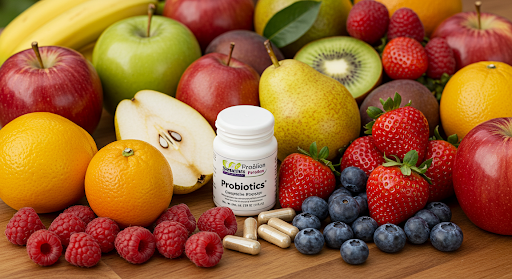
A healthy gut is key to feeling good, thinking clearly, and digesting food properly. But supporting it isn’t just about taking a probiotic or eating more salad. The real magic happens when you combine fiber and probiotics. Used together, these two can help improve your digestion, strengthen your gut lining, and keep your microbiome balanced.
In this article, we’ll break down how fiber and probiotics work, the best way to take them, and what to look for in supplements and food sources.
Whether you’re managing constipation, looking for better immune support, or just aiming for better overall health, this guide will show you how fiber and probiotics can work together to support optimal gut health. Leading probiotic companies like Resbiotic have developed formulations that maximize this synergy, including their best probiotic for GLP-1 support that combines beneficial strains with prebiotic fibers.
What Are the Health Benefits of Probiotics and Fiber?
Probiotics are live bacteria that help keep your digestive system healthy. They support the balance of good and harmful bacteria in your gut, aid digestion, and support immune function.
Fiber, especially dietary fiber, that can be found in the versatile Nutrim oat bran powder, feeds these probiotics. It acts as a prebiotic, which is food for good gut bacteria. Soluble fiber dissolves in water and is easily fermented by gut bacteria, while insoluble fiber helps move food through your digestive system. Together, fiber and probiotics create a strong environment for your gut microbiota to thrive.
How Do Probiotics Work in the Gut?
Once you take a probiotic supplement or eat a fermented food, those live bacteria travel to your gut. If they survive the journey, they start working with the existing gut microbiome to support digestion, reduce inflammation, and crowd out harmful bacteria.
Certain probiotic strains may also support the production of short-chain fatty acids, which improve gut barrier function and help with nutrient absorption.
How Does Fiber
Act as a Prebiotic?
Fiber acts as a prebiotic by feeding the good bacteria in your gut. Without it, probiotic bacteria can’t survive long. That’s why increasing your fiber intake is one of the most important ways to make probiotics more effective.
Soluble fiber is especially helpful for this. It ferments in the colon and produces nutrients that beneficial bacteria use to grow.
“Fiber acts as a crucial food source for beneficial bacteria, enhancing the effectiveness of probiotics in maintaining gut health.
– Dr. Mary Ellen Sanders, Executive Science Officer, ISAPP
What Are the Health Benefits of Combining Fiber and Probiotics?
When you take fiber and probiotics together, you create a synergistic effect. The fiber feeds the probiotics, and the probiotics support healthy digestion and immune function. This combo helps:
- Relieve constipation
- Improve gut lining integrity
- Promote balanced gut flora
- Reduce bloating and irregularity
It’s a simple, effective approach to digestive health.
How to Take Probiotics and Fiber Supplements Together
You can take fiber and probiotic supplements together, but timing and form matter. Many experts recommend taking probiotics on an empty stomach and fiber with meals. You can also find supplements that combine both in one capsule or powder.
Start slow, especially with fiber, to avoid gas or bloating. Give your gut time to adjust.
Fiber and Probiotic Food Sources Comparison
| Category | Top Fiber Sources | Fiber Content | Top Probiotic Sources | Probiotic Strength |
| Grains | Oats, Whole Wheat | High (4-5g/serving) | Sourdough Bread | Moderate |
| Vegetables | Broccoli, Carrots | Moderate (2-3g/serving) | Pickled Vegetables | Low to Moderate |
| Legumes | Beans, Lentils | Very High (6-8g/serving) | Tempeh | High |
| Fruits | Apples, Berries | Moderate (3-4g/serving) | Kombucha | Moderate |
| Dairy | – | Low | Yogurt, Kefir | Very High |
Are There Specific Times to Take Fiber and Probiotics?
For best results:
- Probiotics: Take first thing in the morning or before bed, away from meals.
- Fiber: Take with meals, and drink plenty of water.
Spacing them out can help reduce digestive discomfort and improve absorption.

What Types of Fiber Are Best for Gut Health?
Look for soluble fiber sources like oats, chia seeds, apples, and psyllium husk. These are easier to ferment and support the growth of beneficial gut bacteria.
Insoluble fiber from whole grains and vegetables also plays a role by keeping your digestion moving.
What Foods Are Good Sources of Dietary Fiber?
Some of the best fiber sources include
- Lentils and legumes
- Oats
- Apples and pears
- Chia and flax seeds
- Broccoli and leafy greens
These support healthy digestion and make your probiotics more effective.
Can Fiber and Probiotics Together Help with Constipation?
Yes. Probiotics may help restore gut balance, while fiber softens and adds bulk to stool. Used together, they can relieve occasional constipation and promote regularity.
Dosage and Effectiveness Matrix
| Consumption Level | Daily Fiber Intake | Probiotic Intake | Overall Effectiveness |
| Low | 10-15g | 5-10 billion CFU | Limited Benefits |
| Moderate | 20-25g | 10-20 billion CFU | Good Improvement |
| High | 30-35g | 20-50 billion CFU | Significant Health Benefits |
| Therapeutic | 35-40g | 50-100 billion CFU |
What Are the Best Probiotic Strains for Gut Health?
Some probiotic strains are more effective than others for digestive health:
- Lactobacillus acidophilus
- Bifidobacterium lactis
- Lactobacillus plantarum
- Bacillus coagulans
Look for these in a quality probiotic supplement. If you’re also interested in blood sugar and metabolism, try the best probiotic for GLP-1 support, like Lactobacillus gasseri.
How to Choose a Quality Probiotic or Fiber Supplement
Choose dietary supplements that are third-party tested, contain multiple probiotic strains, and include both soluble fiber and prebiotic ingredients like inulin or FOS.
Avoid added sugars or fillers that can harm gut health.
Final Takeaway
Fiber and probiotics are better together. One feeds the other, and both support a healthy gut. Whether you’re taking supplements or getting them from food, focus on consistency, variety, and timing.
Improving your gut health doesn’t need to be complicated. Just give your good bacteria what they need to thrive. Your digestive system, immune function, and overall well-being will thank you.
FAQs
- Can I take fiber and probiotics together?
Yes. It’s safe and effective to take fiber and probiotics together. Just be mindful of timing and water intake. - What’s the best time to take probiotics and fiber?
Take probiotics on an empty stomach and fiber with meals for best results. - Do fiber and probiotics help with constipation?
Yes. Fiber softens stool and feeds good bacteria, while probiotics improve gut balance and motility. - Should I choose a supplement with both fiber and probiotics?
If convenience matters, yes. Just make sure the product includes clinically studied strains and a soluble fiber source.
What’s the difference between prebiotics and probiotics?
Prebiotics (like fiber) feed your gut bacteria. Probiotics are the live bacteria themselves. They work best when taken together.