KHTS Radio Santa Clarita Radio – Santa Clarita News

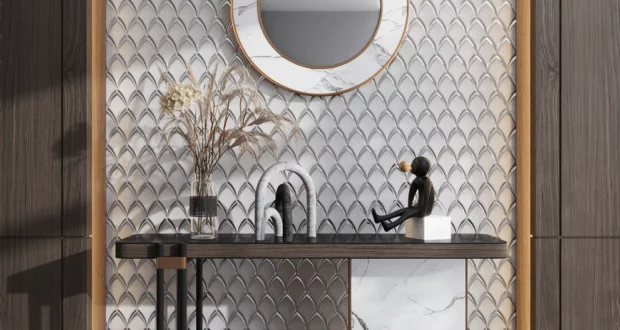
Tiles used to embellish walls and floors must combine three things: durability, aesthetics, and ease of maintenance. These details contribute to the functionality and visual appeal of a space. This is especially important in commercial environments where the surface underfoot is exposed to constant wear and tear, such as restaurants, hotels, offices, and retail stores. The right material isn’t just resilient; it complements the room’s style and ties all other elements, such as lighting, furniture, and fittings, into a cohesive whole.
Why Material Selection Matters
Walls and floors are the backbone of any build. A successful design begins with understanding how the material performs in its approved applications. Does it maintain integrity through every task, and will its resilience stand the test of time? At the same time, aesthetic quality is what transforms ordinary spaces into memorable interiors that communicate brand identity.
Failing to consider the performance, durability, and longevity of materials selected for walls and floors can lead to frequent and costly repairs. This, in turn, affects the appearance, character, and functionality of the space.
Factors to Consider When Choosing Tile Materials
Consistent Performance: Tiles for high-traffic spaces are exposed to daily wear. For this reason, the material used for flooring should be able to handle everyday demands without marking or compromising quality. There are various options, which we’ll discuss in detail below, offering exceptional durability and wear-resistance in active environments, such as restaurant kitchens, hotel lobbies, and office reception areas.
Improved Slip Resistance: Surface texture plays a crucial role in how safe floors are. Different tile finishes, including matte and textured, provide better traction underfoot and reduce the risk of slips and falls, which is why they are the preferred choice for high footfall areas. This is important and worth considering not just for interior floors but also for outdoor settings.
Design Flexibility: Wall and floor tiles for commercial projects not only enhance functionality but can alter the way a room looks and feels. The different colors, shapes, and sizes can be used to create atmosphere, shape visitors’ perceptions, and reinforce the brand’s identity. Natural marble stone, for example, is a sought-after choice for luxury hotels and fine-dining restaurants, used to convey prestige and elevate the perceived value of the establishment. Guests want to linger and immerse themselves in the opulent ambience the space offers.
Versatile Application: Tile use is varied, from walls and floors to indoor and outdoor. Materials like glass mosaics create striking wall statements for restaurant entrances, work just as well for hotel ensuites, and can be used for pools in wellness centers. Meanwhile, wood-look porcelain tile can introduce a sense of warmth to office interiors and bring the same natural comfort to landscaped courtyards meant for work collaborations. These are a few examples that show just how versatile tile is; an important factor to consider when choosing surface coverings.
Care & Maintenance: Beyond beauty and functionality, it’s essential to consider how easy it is to care for the material’s appearance over time. After all, maintenance impacts long-term operational costs. Luckily, tiles are generally easy to keep clean, though natural stones like marble will require sealing once or twice a year to ensure a protected, durable environment.
Best Tile Options for Commercial Walls & Floors
Among the best flooring options for commercial spaces, porcelain tile is a revered choice due to its incredible durability. It’s made from refined clay and fired at extremely high temperatures, a process that gives it a dense and non-porous composition. Porcelain’s high performance represents reliable flooring rated for any high-traffic indoor and outdoor context. Along with its robustness, it is resistant to stains and scratches and is easy to keep immaculate.
In addition, porcelain tile can emulate the appearance of other natural materials, such as marble, slate, terracotta, and terrazzo. The results are a replicated design that’s hard to tell apart, with none of the challenging upkeep. Large formats, measuring 12×24, 24×48, and 36×36 inches, offer a seamless, almost monolithic look desired in contemporary interiors.
Marble tile is another coveted choice for commercial settings, favored for its exquisite forever-in-vogue flair. It is strong, long-lasting, and rich in splendor. Different types, such as Carrara, Calacatta, and Thassos, are rated for interior and exterior use, creating a continuous visual flow between the indoors and outdoors.
For statement-making walls, glazed ceramic tiles and glass mosaics turn vertical surfaces into conversation starters. These wall adornments create bright, spacious commercial interiors that enhance customer experience and leave a memorable impression.
Material Cost, Sustainability & Longevity
Costs are a crucial consideration when choosing surface coverings for a commercial project. Premium tiles with a long lifespan may cost more upfront but are a long-term investment due to fewer replacements. Sustainability also plays a key role in design. Materials, such as glass, ceramic, and porcelain, are not only better for the environment but are also appealing to businesses looking to reduce their carbon footprint. To sum up, the best tiles strike a balance between cost, performance, and sustainability, ensuring that spaces remain resilient for years.