KHTS Radio Santa Clarita Radio – Santa Clarita News

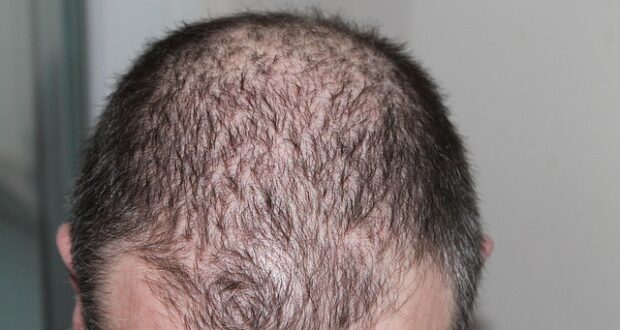
The best at-home treatment for early hair loss depends on the cause of thinning, how early treatment begins, and whether the goal is reducing shedding, improving density, or supporting long-term follicle health. For androgenetic alopecia, minoxidil remains the most established at-home option, while microneedling, low-level laser therapy, supplements, and regenerative hair serums like CALECIM® Professional may play different roles depending on the individual.
Early intervention matters because hair follicles become harder to support once miniaturization progresses. In many cases, starting treatment while follicles are still active may improve the chances of maintaining density and slowing visible thinning.
According to the American Academy of Dermatology, effective hair loss treatment begins with identifying the cause of thinning. Stress-related shedding, hormonal hair loss, male pattern thinning, and scalp inflammation can behave differently and may not respond to the same treatment strategy.
The best at-home treatment depends on why your hair is thinning and how early you start
The most effective at-home hair treatment is usually the one that matches the underlying cause of hair loss. Someone with temporary stress shedding may need a different approach than someone with early androgenetic alopecia or menopause-related thinning.
Hair loss is often grouped into one category online, but early thinning can result from:
- hereditary pattern hair loss
- hormonal changes
- stress-related shedding
- inflammation
- nutritional deficiencies
- illness or medication changes
According to American Family Physician, androgenetic alopecia is one of the most common forms of hair loss, affecting more than 80 million people in the United States, and minoxidil remains a first-line treatment.
That does not automatically make minoxidil the best fit for everyone. Some users prioritize:
- non-drug approaches
- scalp health
- irritation avoidance
- lower maintenance routines
- regenerative support
Others may prefer treatments with longer clinical histories.
The earlier treatment begins, the more treatment options may remain viable.
How early hair loss differs from advanced hair thinning
Early hair loss is often more responsive to treatment because follicles may still be active. Advanced thinning usually involves greater follicle miniaturization and a longer history of shedding.
Temporary shedding vs progressive thinning
Not all hair loss is permanent.
According to the Cleveland Clinic, telogen effluvium is usually temporary and commonly follows stress, illness, hormonal changes, or major life events.
Stress-related shedding often appears:
- suddenly
- diffusely across the scalp
- several weeks after a trigger
Pattern hair loss tends to develop gradually and may include:
- widening parts
- crown thinning
- receding hairlines
- progressive density loss
This distinction matters because temporary shedding may improve once the trigger resolves, while androgenetic alopecia often requires ongoing support.
Why follicle preservation matters early
Hair follicles gradually miniaturize in progressive hair loss. Once follicles become severely miniaturized, visible regrowth becomes more difficult.
According to Stem Cell Research & Therapy, androgenetic alopecia involves shortened growth phases and follicular miniaturization over time.
That is why many dermatologists emphasize early intervention rather than waiting until thinning becomes advanced.
Comparing the most common at-home hair loss treatments
Different treatments work through different mechanisms. Some target hair growth cycles directly, while others focus on scalp environment, circulation, or follicle signaling.
| Treatment | Best For | Evidence Level | Maintenance | Common Drawbacks |
| Minoxidil | Pattern hair loss | Strong | Ongoing | Irritation, long-term use |
| Stem cell hair serums | Early thinning, scalp support | Emerging | Consistent use needed | Limited long-term evidence |
| Microneedling | Combination therapy | Moderate | Weekly/biweekly | Technique-sensitive |
| Supplements | Nutritional deficiency support | Variable | Ongoing | Not universal |
| LED/laser devices | Pattern thinning | Moderate | Long-term | Cost and consistency |
Stem cell hair serums
Stem cell-derived conditioned media and regenerative hair serums like CALECIM® Professional are emerging options designed to support follicle signaling and scalp health.
According to the Journal of Plastic, Reconstructive & Aesthetic Surgery, stem cell-derived conditioned media is being investigated as a regenerative approach for alopecia.
These products often contain:
- growth factors
- cytokines
- exosomes
- signaling proteins
The goal is not simply coating the hair shaft but supporting the scalp environment around follicles.
However, regenerative hair serums should still be framed as emerging treatments rather than replacements for medically established therapies.
Minoxidil
Minoxidil remains one of the most established at-home treatments for androgenetic alopecia.
Topical minoxidil may require two to four months before visible results appear and must generally be continued to maintain regrowth.
Minoxidil may be best for:
- hereditary pattern thinning
- crown thinning
- gradual density loss
It may be less ideal for people who:
- dislike daily application
- experience irritation
- want a non-drug approach
Microneedling
Microneedling is commonly used to support scalp stimulation and improve topical absorption.
Microneedling may help:
- improve topical penetration
- stimulate wound-healing pathways
- support combination treatment approaches
Results depend heavily on:
- needle depth
- frequency
- sanitation
- consistency
Hair growth supplements
Hair supplements may help certain people, especially when nutritional deficiency is involved. They are not universal solutions for thinning hair.
According to JAMA Dermatology, nutritional interventions may benefit select hair loss patients, although evidence quality varies.
Supplements may be more relevant when:
- iron deficiency exists
- restrictive dieting is involved
- nutritional imbalance contributes to shedding
The U.S. Food and Drug Administration also warns that high biotin intake can interfere with some lab tests.
LED and laser devices
Low-level laser therapy devices are designed to stimulate follicles using light-based technology.
Laser devices may appeal to users seeking:
- non-topical options
- non-drug approaches
- maintenance support
However, results vary, and consistent long-term use is usually necessary.
Which at-home hair treatments may work best for different hair loss patterns
Different patterns of hair loss often respond differently to treatment.
Male-pattern hair loss
Male pattern hair loss usually appears around:
- the temples
- crown
- frontal hairline
Minoxidil is commonly used here because it has the strongest long-term evidence for androgenetic alopecia.
Microneedling and regenerative serums like CALECIM® may also be explored as supportive approaches.
Female pattern thinning
Female-pattern hair loss often presents as:
- widening part lines
- diffuse thinning
- reduced ponytail volume
Women experiencing hormonal changes or menopause may prefer gentler, scalp-focused approaches.
Stress-related shedding
Stress-related shedding often improves once the trigger resolves.
This type of hair loss may benefit more from:
- scalp recovery
- reducing inflammation
- supporting healthy regrowth cycles
Aggressive long-term treatment is not always necessary.
Hormonal hair thinning
Hormonal hair thinning may occur:
- during menopause
- postpartum
- after hormonal shifts
These cases often require longer timelines and realistic expectations.
How stem cell hair serums compare with minoxidil for early thinning
Minoxidil remains the more established treatment for androgenetic alopecia, while stem cell-derived hair serums are part of a newer regenerative category still being studied.
Minoxidil works primarily by prolonging the growth phase of hair follicles. Regenerative hair serums focus more on follicle signaling, scalp environment, and inflammation management.
That distinction matters for people who:
- want non-drug options
- experience irritation
- prefer regenerative approaches
- want combination therapy
What to consider before choosing an at-home hair treatment
The best treatment is not always the newest or most expensive option. Long-term consistency, tolerance, and realistic expectations matter just as much as mechanisms.
Consistency requirements
Most at-home hair treatments require months of consistent use.
Stopping too early is one of the most common reasons people assume treatments failed.
Sensitivity and irritation risk
Some users experience:
- dryness
- scalp irritation
- flaking
- sensitivity
This can affect long-term adherence.
Users with sensitive scalps may prioritize gentler formulations or less frequent application schedules.
Maintenance expectations
Hair loss management is often ongoing.
The FDA states that topical minoxidil generally requires continued use to maintain results.
That makes maintenance an important consideration before starting any regimen.
Budget and long-term use
Some treatments appear affordable initially but become expensive over time due to:
- daily use
- multiple products
- device costs
- clinic add-ons
The best option is often the one someone can realistically maintain consistently.
Where CALECIM® Professional Hair Serum may fit among regenerative hair treatments
CALECIM® Professional Hair Serum is a regenerative, non-drug at-home hair support system focused on follicle signaling and scalp health.
Calecim Professional Hair Serum uses PTT-6®, a proprietary blend containing growth factors, cytokines, exosomes, and proteins designed to support follicle function.
How PTT-6® supports follicle signaling
According to Calecim Professional, PTT-6® contains over 3,000 proteins, including growth factors and exosomes intended to support regenerative signaling.
The brand reports that PTT-6® was associated with:
- 24% increase in follicle cell production
- 30x decrease in scalp inflammation
Why combining scalp stimulation with growth factors may matter
CALECIM® Professional combines topical serum application with a derma stamper.
Microneedling may help improve scalp penetration of topical ingredients while also supporting scalp stimulation.
This combination approach may appeal to users looking for:
- regenerative support
- non-drug approaches
- early intervention strategies
Who may benefit most from regenerative at-home hair support
CALECIM® Professional Hair Serum may fit people who:
- are noticing early thinning
- want non-invasive options
- prefer regenerative approaches
- want scalp-focused support
- are not ready for clinic procedures
It may be less suitable for:
- advanced baldness
- people seeking immediate results
- users wanting drug-based therapy only
Choosing the best at-home hair treatment often comes down to starting early, staying consistent, and matching the treatment to your type of hair loss
There is no single best at-home hair treatment for every person. The best option depends on the pattern of thinning, scalp sensitivity, goals, maintenance preferences, and how early treatment begins.
Why early intervention may improve long-term hair density
Hair follicles are easier to support before miniaturization progresses significantly.
Waiting too long can limit how responsive follicles remain.
How regenerative hair support fits into a long-term hair health strategy
Regenerative approaches may become part of a broader strategy that includes:
- scalp health
- consistent maintenance
- stress management
- combination therapy
These treatments are best viewed as supportive tools rather than miracle cures.
When it may be time to seek professional evaluation
Professional evaluation may be helpful if:
- shedding is sudden or severe
- bald patches appear
- scalp pain develops
- treatments fail after several months
- hormonal symptoms accompany thinning
FAQ
Is minoxidil the best hair loss treatment?
Minoxidil remains one of the most established at-home treatments for androgenetic alopecia. However, the best treatment still depends on the cause of hair loss and individual tolerance.
Can stem cell hair serums replace medication?
Stem cell-derived hair serums are emerging options, but they should not currently be viewed as replacements for medically established therapies.
Which treatment works fastest?
Hair shedding reduction may happen within weeks, but visible density changes usually take months. Timelines vary based on the treatment and the type of hair loss.
Are at-home treatments enough for thinning hair?
Some people respond well to at-home treatments, especially during early thinning. Others may eventually need prescription therapy or professional evaluation.
How long should you try a hair treatment before switching?
Most treatments should be given several months before evaluating effectiveness unless irritation or worsening symptoms occur.
Can multiple hair loss treatments be combined?
Yes. Combination approaches such as microneedling with topical hair serum are commonly explored for androgenetic alopecia.
What happens if early hair loss is ignored?
Progressive hair loss may continue over time, and follicles can become harder to support once miniaturization advances.
Are stem cell hair treatments safe for long-term use?
Long-term independent safety data for regenerative hair serums is still limited. Users should follow product instructions carefully and maintain realistic expectations.
Conclusion
The best at-home treatment for early hair loss depends on why thinning is happening, how early treatment begins, and what type of approach fits the user’s goals and lifestyle.
Minoxidil remains the most established at-home option for androgenetic alopecia, while regenerative hair serums, microneedling, supplements, and laser devices may offer supportive roles depending on the situation.
For people interested in regenerative, non-drug scalp support, CALECIM® Professional Hair Serum may be worth exploring as part of an early-intervention strategy focused on follicle signaling and scalp health. Results can vary, and the strongest outcomes usually come from starting early and staying consistent.