KHTS Radio Santa Clarita Radio – Santa Clarita News

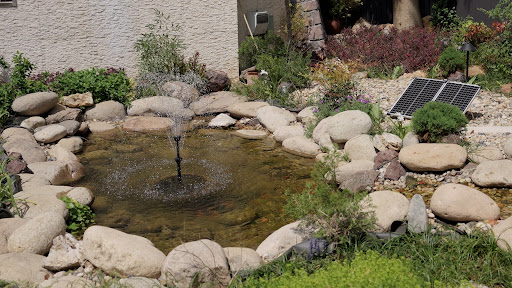
There’s something undeniably peaceful about a backyard pond. The gentle ripple of water, the flash of a fish darting beneath the surface, the sound of a small waterfall trickling over smooth stones — it’s a living, breathing sanctuary right outside your door. But behind that serene picture lies a complex ecosystem that demands consistent care and attention. And at the heart of that care? A reliable pond filter pump and a solid filtration setup.
Whether you’re a first-time pond owner or someone who’s been maintaining an outdoor water feature for years, understanding why filtration matters — and how it works — can make the difference between a thriving aquatic environment and a murky, unhealthy mess.
The Hidden World Beneath the Surface
A pond might look calm, but underneath the water’s surface, a constant biological drama is unfolding. Fish produce waste, leaves decompose, algae compete for nutrients, and bacteria work tirelessly to break down organic material. Without proper management, this delicate balance tips quickly. Ammonia levels rise, oxygen depletes, and the water turns green or brown.
This is where filtration becomes not just helpful — but absolutely essential. A well-designed filtration system keeps water parameters in check, removes harmful toxins, and supports the natural processes that keep fish and plants alive. Without it, even the most beautifully designed pond becomes a liability rather than an asset.
What Does a Pond Filter Pump Actually Do?
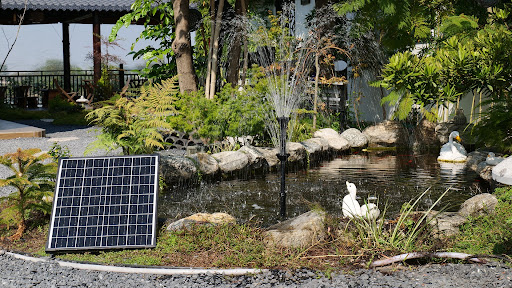
A pond filter pump serves a dual purpose: it circulates water through the filtration system while also keeping the pond oxygenated. Think of it as the heart of your pond’s ecosystem. Just as blood needs to keep moving through the body to carry oxygen and remove waste, pond water needs constant circulation to stay clean and healthy.
The pump draws water in, pushes it through filter media — which can include mechanical filtration (catching debris), biological filtration (supporting beneficial bacteria), and sometimes UV clarification (targeting algae) — and then returns clean, oxygenated water back into the pond.
Without this movement, stagnant water becomes a breeding ground for mosquitoes, harmful bacteria, and toxic algae blooms. Even in smaller ponds with fewer fish, a functioning pond filter pump is a non-negotiable component.
The Different Stages of Pond Filtration
Understanding filtration means understanding its stages. Most pond filtration systems operate across two or three key phases:
Mechanical Filtration is the first line of defense. It physically removes solid particles — fish waste, uneaten food, leaves, and other debris — from the water column. This prevents organic matter from breaking down into harmful compounds. Filter foam, brushes, or mesh screens are commonly used in this stage.
Biological Filtration is arguably the most important phase. Beneficial bacteria colonize the filter media and convert toxic ammonia (produced by fish waste) into nitrites, and then into relatively harmless nitrates. This nitrogen cycle is fundamental to fish health and water clarity. Without a mature biological filter, even small amounts of fish waste can be lethal.
UV Clarification uses ultraviolet light to target the single-celled algae responsible for green water. As water passes through the UV unit, algae cells are destroyed, clumping together so they can be captured by the mechanical filter. This stage is particularly valuable in sunny climates or heavily stocked ponds.
Choosing the Right Size System
One of the most common mistakes pond owners make is underestimating how much filtration their pond actually needs. A system that’s too small for the pond volume will struggle to keep up with the biological load, especially if the pond contains a lot of fish.
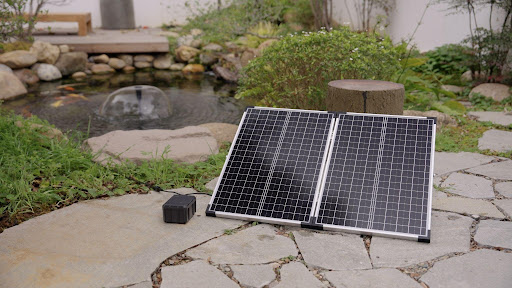
As a general rule, your pump should be capable of turning over the total water volume of the pond at least once every hour. For a heavily stocked pond — particularly one with large fish — you may want to aim for twice per hour. The filtration system itself should also be rated to handle the full pond volume, not just a fraction of it.
It’s always better to over-filter than under-filter. A slightly more powerful system won’t harm your pond, but an underpowered one absolutely can.
Seasonal Maintenance Matters
Filtration doesn’t just look after itself. Regular maintenance is part of responsible pond ownership. Filter media should be cleaned periodically — though never with tap water, as chlorine kills the beneficial bacteria you’ve worked so hard to cultivate. Use pond water instead, and resist the urge to over-clean. A certain amount of biological buildup is healthy and necessary.
In colder months, some pond owners reduce pump activity or switch to a cold-water bacterial formula to support filtration during winter. In warmer seasons, when fish are active and feeding more, the biological load increases, making consistent filtration even more critical.
The Bigger Picture
A healthy pond is a joy to own. It attracts wildlife, improves outdoor living spaces, and creates a calming environment that has genuine mental health benefits. But that joy comes with responsibility. Investing in a quality pond filter pump and a well-matched filtration setup isn’t just about aesthetics — it’s about the welfare of every living creature in that water.
When you get the filtration right, everything else falls into place. The water stays clear, the fish stay healthy, and your pond becomes the kind of feature that makes you want to spend every spare moment outdoors — which, when you think about it, was the whole point from the beginning.